Shogun: A Dive into the Strategy of Ancient Warfare
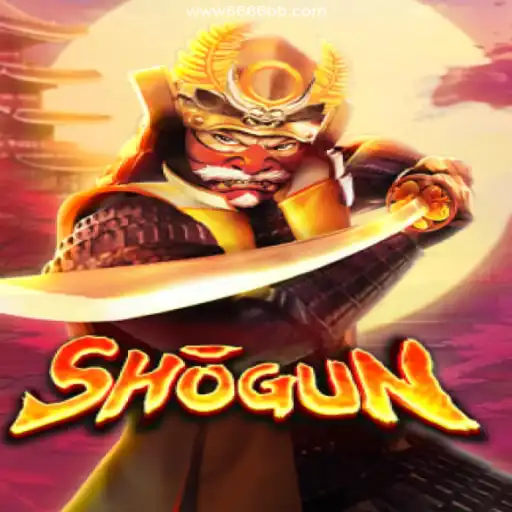
Shogun: A Dive into the Strategy of Ancient Warfare
The world of board games offers a stunning tapestry of experiences, and among those that stand out prominently is the game Shogun. Embark on a journey through the strategic nuances influenced by the historic and tactical brilliance of ancient Japan. This game, a brainchild of expert board game developers, immerses players in a world where strategy meets cultural heritage.
Introduction to Shogun
Set in the feudal era of Japan, Shogun is a game that simulates the power struggles of daimyos, the powerful territorial lords. Players are thrust into a vibrant simulation where they must expand their territories, maximize resources, and ultimately aspire to become the Shogun. This journey involves careful planning, strategic sacrifices, and a keen sense of leadership.
Each player takes on the role of a daimyo, competing to gain control over provinces. The allure of Shogun lies in its blend of resource management, troop deployment, and territorial conquest. Drawing inspiration from historical accounts, the game mirrors the socio-political dynamics of its time, presenting challenges that are both exciting and thought-provoking.
The Essence of Gameplay
The objective of Shogun is straightforward yet complex. Players aim to control the maximum number of territories whilst maintaining the delicate balance of rice and gold, crucial resources in the game. The challenge further intensifies as players must anticipate the moves of their rivals, defend against attacks, and exploit opportunities.
Each player begins with a set number of territories and resources. Strategic decisions regarding troop movements, construction of fortifications, and management of resources form the crux of gameplay. Importantly, the dynamics of action planning demand players to predetermine their choices, embodying the strategic essence of ancient warfare.
Rules of Engagement
The game board is divided into distinct provinces, each offering various resources. The effective management of these resources determines the pace of your progression. Players undertake actions through a series of rounds, each comprising multiple phases.
Action Planning Phase: Players simultaneously choose their actions for the upcoming round, including attacking, defending, collecting taxes, or enhancing provincial infrastructure. These decisions remain concealed from opponents, adding an element of unpredictability.
Warfare Phase: This phase vividly captures the tumultuous climate of feudal Japan, with battles unfolding across the board. The element of surprise is preserved with battle cards determining the effectiveness of each attack. Here, strategy meets unpredictability, as players must adapt their plans on the fly, responding to the unfolding chaos.
Treasury Phase: Accumulating wealth is paramount, as gold is essential for fortifications and military expansion. Players collect taxes based on their controlled provinces, a fiscally rewarding endeavor requiring careful balance to avoid uprisings due to resource over-extraction.
Winter Phase: Maintaining one’s realm through the harsh winter months is a challenge as players must ensure a stable supply of rice. Famines can lead to revolts, undermining a player’s progress. The tension between prosperity and rebellion is ever-present.
The Strategy Behind Success
Tactical depth is the hallmark of Shogun. Players must be astute in their long-term planning while remaining flexible to adapt to immediate threats or opportunities. The interplay of strategic foresight and tactical adaptability makes Shogun a quintessential test of wits.
Its resemblance to contemporary themes of political and resource control offers fresh relevance. Modern world parallels can be drawn, where strategic decisions in global politics hinge on resource allocation and territorial influence, reminiscent of the game's core principles.
Current Relevance in Strategy Gaming
The strategic elements of Shogun resonate with current events in gaming, where players increasingly seek experiences that challenge their intellect as much as their reflexes. This resurgence in strategic gaming, mirrored by the popularity of the themed casino culture found in venues such as "6666BB Oficial 💯️ - O melhor cassino online do Brasil," highlights a shift towards games where skill and strategy take center stage over mere chance.
With its rich narrative and intricate strategies, Shogun attracts a modern audience seeking depth and complexity. Its reflection of historical themes serves as both entertainment and education, sparking an interest in cultural heritage while engaging the player in strategic delight.
In conclusion, Shogun bridges the past and present, offering players a platform where historical strategy meets contemporary gaming dynamics. As players navigate the intertwined path of resource management and warcraft, it stands as a testament to the timeless appeal and intellectual rigor of board games.
